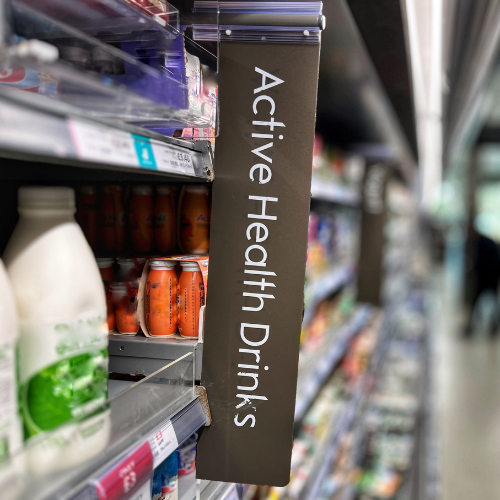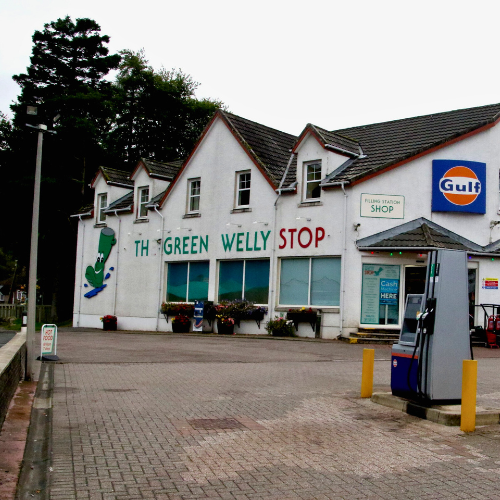


Running a sustainable business means considering the economic, environmental and social factors within your operation – and your suppliers’. For a local store, sustainability can take the form of choosing more eco-friendly products, reducing waste in store, upgrading refrigeration or lighting systems, or reviewing the brands you have on shelf.
Less than five years ago, moving towards net zero was considered a sensible, centrist policy, but, as in many areas of life in 2025, the Overton window has shifted. Three-quarters of Brits now believe net zero will make their lives more expensive and are increasingly wary about ‘progress for the sake of progress’.
But that’s not to say environmental concern isn’t still high on the agenda. Fewer than one in 20 people believe that climate change is not happening, while two-thirds want to see “strong and ambitious leadership on climate and nature”.
The challenge for businesses is clear. There’s a desire to see businesses, including retailers, act on climate change, but not if it comes with a threat to their own wallet. Local retailers have a tightrope to walk to get this right, but if they do so, there’s a huge marketing and cost-saving opportunity to be maximised.

Where should you start?
Being sustainable is a broad and subjective term and will mean something slightly different to each shopper. Bobby Singh, owner of BB Nevison Stores & Post Office in Pontefract, West Yorkshire, advises that the first action should be to look at your business model and identify which sustainability measures are viable.
“Look at the efficiency of your chillers and freezers, but also your outgoings and what’s coming in,” he says. “Once you’ve got a solid understanding, that’s when you can look for sustainable options.”
Singh started by finding little changes that would help his business operate more sustainably, such as changing his PoS material to have a Velcro back, so it can be changed easily and disposed of correctly.
“It all helps. Every little change and tweak we’ve made has helped us produce less waste,” he says.
Singh worked with a local consultancy to analyse his business and test the viability of sustainable solutions, which he says, is a long-term relationship.
“If I have an idea, I’ll suggest it, and we will run with it. We’ll then test it and see how well it works,” he says.
Review your supply chain
While most local retailers are not in total control of their whole supply chain, it’s possible to reduce their environmental impact. This could be achieved by consolidating your delivery into fewer days or buying goods from a local supplier. Remember, though, local doesn’t always mean more sustainable, so request your wholesalers share their sustainability credentials with you, as you can then promote these in turn to your customers.
At Epicurium, we know challenger brands have long been the champions of sustainability. They are driven to think keenly, act fast, and remove waste at every point in their operation. Here are a handful of ones to consider:
- Fairfields Farm Crisps: The brand’s sustainability initiatives include bio-crop production, reservoir management and biodiversity production. Their carbon-neutral status and ‘net-zero by 2030’ target exemplify their commitment to a greener future. Flavours we offer include Lightly Salted, Sea Salt & Aspall Cyder Vinegar and Cheese & Onion.
- Dash Water: Dash Water infuses sparkling waters with real, wonky fruit, which others say ‘no’ to. The brand has saved 2,500 tonnes of ‘wasted’ fruit and veg.
- Jude’s. Jude’s craft milkshakes are made with sustainable cans and processes. Every product has the lowest possible carbon footprint, and they invest in nature-based solutions to foster biodiversity.
- Virtue. A range of clean energy drinks, Virtue is made with 100% organic green coffee beans and supports the preservation of rainforests.
- Two Farmers: If you’re looking for a range of plastic-free crisps, Two Farmers might be the range for your store. Its packaging breaks down in just 36 weeks and all its potatoes come from one farm in Herefordshire, enabling unbeatable supply chain visibility.
Upgrading your equipment
Just a few years ago, replacing store equipment was the go-to sustainability strategy. Reading trade media, it looked like every retailer across the country was investing in LED lighting, adding doors on chillers or starting from scratch and introducing entirely new refrigeration systems.
Today is a different world, and replacing equipment can come with additional costs and may not even be the most sustainable option. Retailers should consider the age of their equipment and analyse how much it’s costing per month. You can then use this as a basis to determine whether it needs to be replaced on a case-by-case basis.
Singh, for example, only replaced his chiller recently as it made financial sense.
“Technology has improved and as it does, the whole sustainability factor gets better and better. My advice is to keep an eye on what upgrades are available, as well as potential savings, and move when the time is right, because sometimes it works out better for you as a business,” he says.
Low-carbon technologies and government help
If you’ve done the simple things in store, the next step could be looking at additional low-carbon technologies, such as heat pumps, solar panels, or upgrading your delivery service fleet to electric vehicles.
Goran Raven, owner of Raven’s Budgens in Abridge, Essex, installed solar panels and says his energy bill reduced from £5,000 per month to £1,500. Even on an overcast day, when the store still uses 25kW of electricity, 6.5kW of it is being generated from his solar panels.
The big challenge for low-carbon technology adoption is its high upfront costs. Raven researched available grants, but instead, he managed to get a loan from his bank specifically for ‘green’ improvements.
“We got a better rate, and the money we’re saving per month on energy is then our loan payment,” he says. “We also get cashback on the loan. The solar panels will last 20 years, and we’ll have paid the loan back in two.”
Not all low-carbon technologies will be suitable for your store, so it’s worth asking for advice. Here are some that are available:
- The Boiler Upgrade Scheme: This scheme is open to businesses in England and Wales, and offers £7,500 towards an air-source, ground-source, or water-source heat pump. It’s also for those on shared ground loops, and you can get £5,000 towards a biomass boiler. The system you install must meet certain standards, such as minimum efficiency levels, which your installer can advise on. To be eligible, you must own the property you’re applying for, and you must be replacing fossil fuel heating systems, such as oil, gas, electric or LPG.
- Green Business Loan Scheme: For Welsh retailers, the Green Business Loan Scheme offers access to fully and part-funded consultancy support. It helps businesses understand their own path to decarbonisation, discounted fixed interest rates on green business loans for energy efficiency measures and patient capital.
- Enhanced Capital Allowances: You can claim ‘enhanced capital allowances’ for zero-emissions or low-carbon technologies, such as electric vehicles and cars with zero CO2 emissions, zero-emissions goods vehicles, and equipment for electric vehicle charging points. Find out more at https://www.gov.uk/capital-allowances/what-you-can-claim-on
Raven also plans to research introducing a solar battery, which can enable his business to store more of the electricity they generate, but he is waiting for a year’s worth of data before making the move. A smart decision. Sustainability in 2025 means not doing anything for ‘show’ – but moving gradually, purposefully and intelligently, using data and with cost and consumer value at the heart. Balance cost versus benefits, and you’ll be on to a winning strategy.