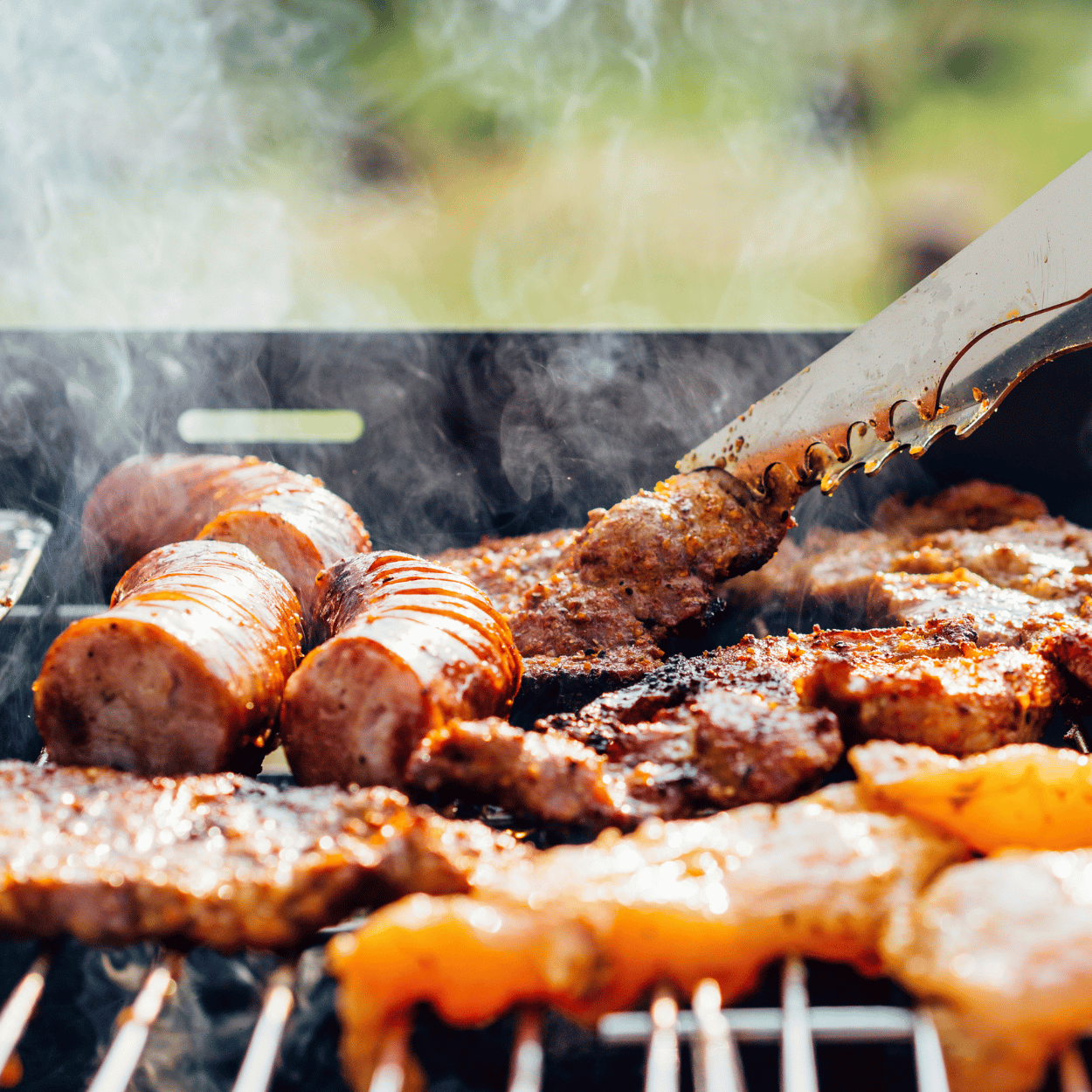

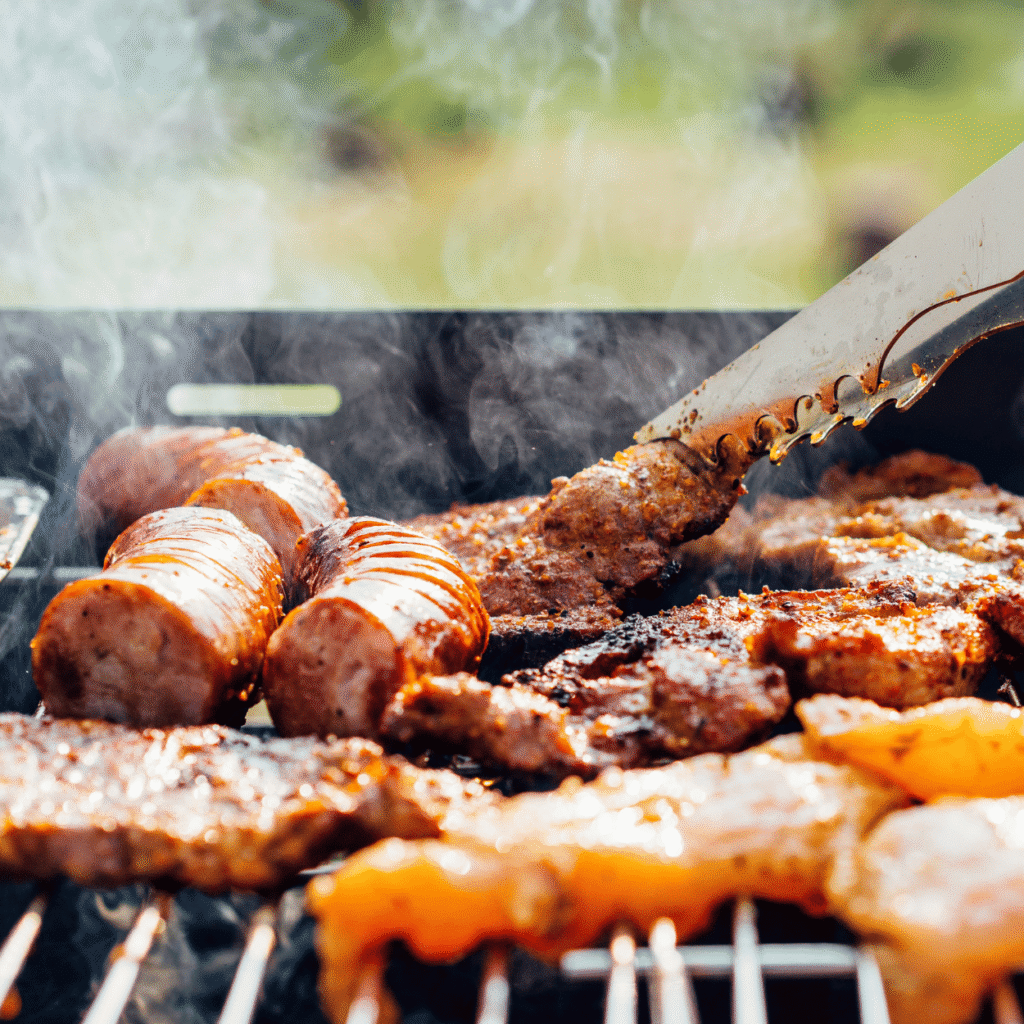
If you’ve not already lined your store with disposable coals, then you’re already slightly behind – but there’s still plenty of time to cash in on this year’s barbecue trends.
Likewise, if your barbecue display is still merchandised around the burger, crisps and fizz combo then you’re missing a trick. We’ve long seen consumers dialling up at-home celebrations, so summer 2026 could see shoppers throwing their most bougie barbecues ever, driven by premium, better-for-you and on-trend products that take the occasion a level above.
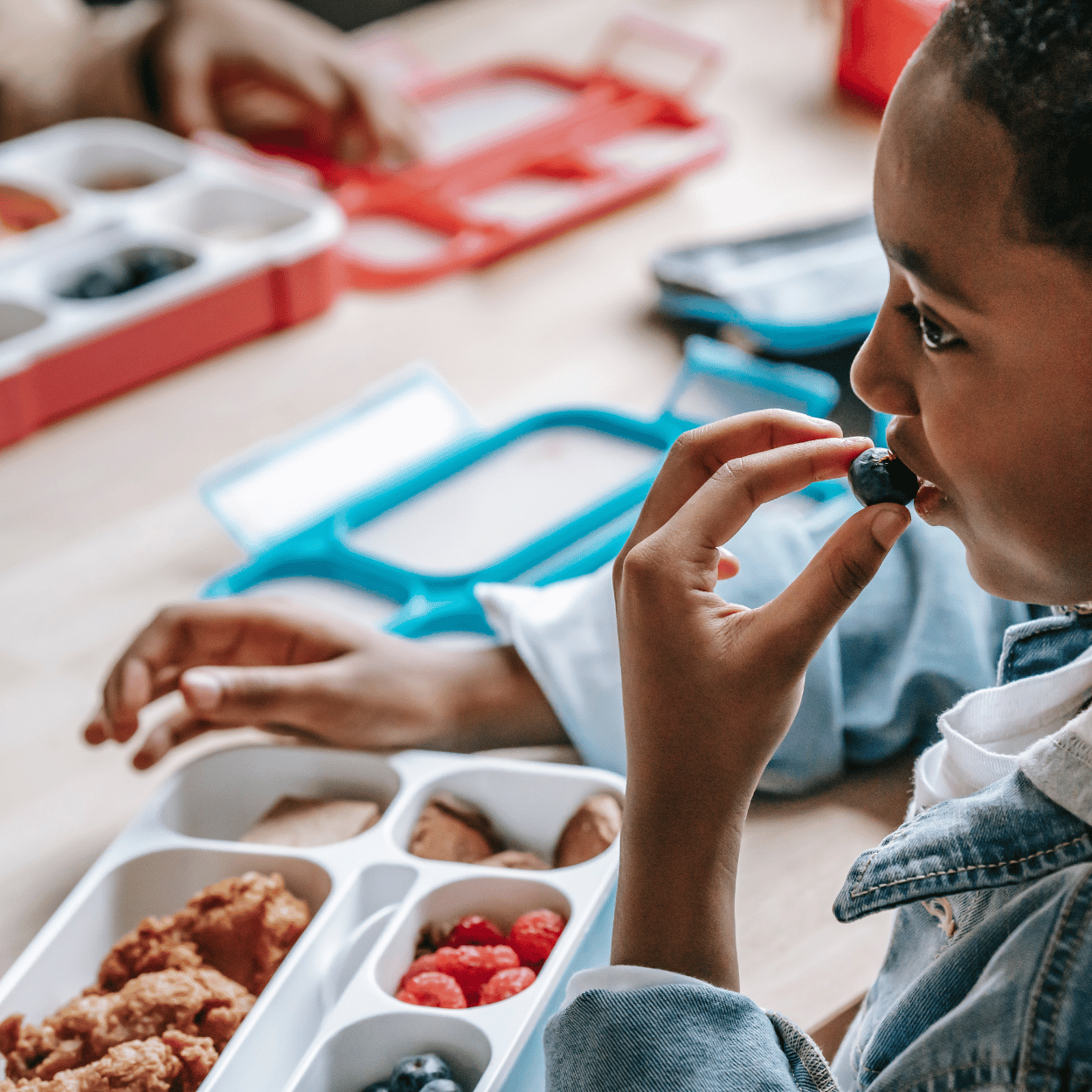
The consumer shift towards health is a long-term trend that is impacting all areas of the store, and this should include your barbecue ranging decisions. The Institute of Grocery Distribution found that 59% of people reported a reduced preference for fatty foods, alongside declines in cravings for sweet (49%), creamy (37%) and salty (32%) products.
So what do they want when the weather becomes just warm enough to fire up the coals? Alongside your core barbecue products, like fresh meat, introduce ‘better-for-you’ alternatives to ensure you are meeting evolving consumer needs and ultimately driving higher sales.
Maximise sales with ‘clean label’ seasoning and condiments
We’re seeing consumers increasingly scrutinising back-of-pack labels, seeking products with as few ingredients as possible. While they may get overexcited by those fleeting moments during the Great British Summer when a barbecue is possible, that doesn’t mean they’ll forget their wellness principles.
During barbecue season, keep an eye on your condiments and seasonings, where these so-called ‘nasties’ can be hidden. Shoppers are actively looking to avoid certain ingredients, like high fructose corn syrup and artificial preservatives.
To capitalise on this need, retailers should stock alternatives across popular product types, such as lower-sugar marinades, sea-salt based rubs, cold-press oils, and low-fat condiments.
The sweet spot for consumers lies in products that present traditional well-loved flavours, but combined with the on-trend ingredients they’re seeing on their social feeds. For example, apple cider vinegar or anti-inflammatory spices, such as turmeric and ginger.
If the weather turns and the cooking has to take place inside, lines like our Gordon Rhodes’ Gourmet Slow Cook Mix can come to the rescue. The brand’s Sticky Beef Brisket, for example, is gluten-free, contains no artificial flavours or colourings, and has an RRP of £2.95.
Capitalise on plant-based main courses
There are around 2 million strict vegans and 3 million vegetarians in the UK – plus a wider cohort of fair-weather flexitarians and those who even less consistently dip in and out of the category. The plant-based category might not be winning as many headlines as it once did, but there is still a clear and immediate opportunity for retailers.
All too often, these guests are left feeling unsatisfied or left out and this is a social faux pas that retailers can solve.
One noticeable shift retailers are reporting is that fresh produce is moving from its place as a side dish to the main event. Driven by the negative press around red meat, shoppers are embracing plant-based creativity, where vegetables become the star of the grill.
Amy Sohal, of Premier Ken’s Convenience, in Winsford, Cheshire, has recently capitalised on this and increased her produce range ahead of the barbecue season.
“We’ve phased our range in already and are seeing customers buy fresh mushrooms, carrots, onions, potatoes, a bit of everything as there are so many barbecue options,” she says. “Mushrooms, in particular, are moving into a main-dish role. It’s changing how we merchandise this section and highlight certain products.”
To maximise this trend, retailers must not only consider increasing their stock of fresh produce, but also get creative with supplier promotional support. Offer inspiring recipe cards for plant-based grilling at the fixture or post inspiration on your social channels. Curating the perception that you’ve thought about the final dish communicates to shoppers your store is built on quality.
The local effect
Suki Athwal, of Shop Around the Clock, in Tenterden, Kent, uses a local butcher to source sausages, burgers, and other meats.
“We sell around £2-£4k on sausages during this period and our local sausages are seen as a better alternative as unnecessary ingredients aren’t added,” he says. “It also helps give us a point of difference, so we’re providing the right products and helping another business, too.”
This strategy provides two clear benefits. It meets consumer demand for less-processed, cleaner products, and it goes through a smaller cycle from farm to shop.
Athwal started phasing in his barbecue range in March, balancing local products with a core range from Nisa before focusing on linked purchases.
To further build out barbecue baskets, retailers should stock a diverse range of sauces and spices. Athwal has seen success with tandoori and mint in previous years, emphasising that customers want variety. The average Brit attends or hosts four barbecues every summer – they won’t want each one to be the same.
Driving linked purchases
Barbecues are not just about the main course. They are an entire social event that create a key sales opportunity for high-margin secondary purchases, like snacks and beverages.
Retailers should be strategically positioning these options, including better-for-you products, at eye level to increase spend.
With beverages, think beyond the core soft drinks. You’ll of course need to offer lemonades and colas, but barbecues tend to be celebrations or special events, so are a great opportunity to encourage consumers to trial premium, sophisticated and functional alternatives. Within our range, consider brands like Dash Water, Dalston’s, Fix 8 and Karma Drinks.
Every retailer knows that share bag snacks are the essential format for barbecue gatherings, but today’s consumers prioritise choices that align with their dietary goals. Consider highlighting snacks with functional benefits, such as Graze Crunch, available in Salt & Vinegar and Smoky Barbecue flavours.
Sohal notes that barbecues encourage customers to purchase a much broader range of items than just what goes on the grill.
“People make a lot of pasta dishes when they have a barbecue,” she says. “So we see pesto sales go up, as well as picky bits, like sausage rolls, cocktail sausages, etc.
“Keep an eye on any items associated with a party this summer, especially if you’re expecting a heatwave.”
In-store display strategy: Making ‘better-for-you’ unmissable
To convert consumer interest in healthier options into actual sales, products must be easy to find and inspire purchase. A dedicated, themed display is crucial.
Three retailer tips to drive barbecue sales and profits:
- Create a central barbecue hub: Designate one clear area for barbecue products, from lower-sugar sauces and clean-label rubs to plant-based meal choices, adding in better-for-you alternatives as appropriate. This makes the shopper mission simple and increases the likelihood of discovering new items.
- Strategic cross-merchandising: Place complementary products together to drive linked purchases. For example, position premium sea-salt rubs and marinades immediately next to fresh meat and pair plant-based items with relevant spices.
- Highlight key ingredients: Use simple signage to clearly communicate the benefits of the products on display. Signage can emphasise ‘high protein’, ‘no artificial ingredients’, or ‘low sugar’ to attract the health-conscious consumer to the display.
Ready to capture health-focused summer spend? Browse our range today and stock up on the essential ‘better-for-you’ ingredients, snacks, and drinks that will drive your barbecue profits.